
Showcase Your Brilliance:
Psychology Book Editing
email@example.com
(555) 555-5555
123 Demo Street
New York, NY 12345
You have the training and experience.
You know your shit and you’re ready to share your expertise with an audience.
But they didn’t teach you how to write a book in grad school. What about structure? Transitions? Tone of voice? Even nonfiction books benefit from a good narrative arc.
Not to mention the process of shaping words into whole chapters. The right syntax makes a book sing. Muddy, confusing language prompts readers to set that book down.
You’re not sure what details to include or leave out, how much is enough information without overwhelming your readers. You might not even know how to put a thorough outline together.
But you have a vision.
Write a book that matters.
Crafting a successful psychology book is much more than recording your thoughts on a particular topic and explaining the relevant skills. You want to not only share your knowledge, but really get through to your readers.
You want to write a book that makes a difference in peoples’ lives.
Generalized editors can improve your writing but don’t know your subject matter. Colleagues can help you fine-tune the professional stuff but don’t know what it takes to make a manuscript successful.
But the right editor, with the right knowledge, can take a book from so-so to stellar. A psychology book editor will help you find your voice, hone your message, and craft a book that works.
Your knowledge is valuable.
So don’t settle for good-enough editing. Turn your idea into a book you’ll be proud of. This is where I come in.
Hi, I’m Augustin. I’m an editor AND a clinician, and I can help you write the book you want to write.
I started my editing career with a certificate in editing and publishing from New York University in 2008.
For the next 10 years, I helped new and established authors communicate more effectively in books, websites, and articles.
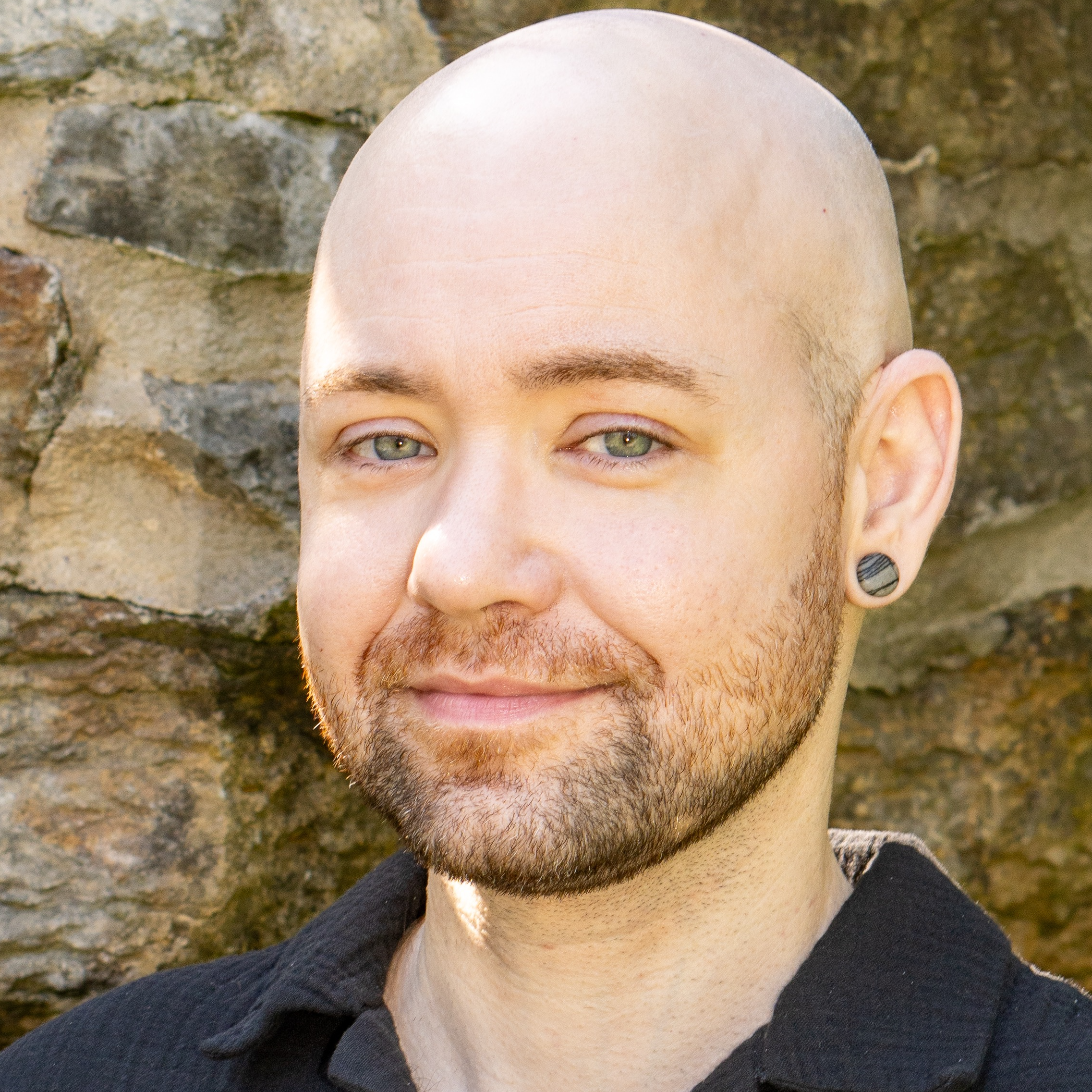
In 2019, I graduated with a master’s in existential-phenomenological psychology from Seattle University and became a therapist. Since then, I’ve completed many, many post-grad continuing education hours (you know how it goes).
I became a psychology book editor because I didn’t want to have to choose only one passion.
My clients include self-publishing authors and those pitching books to big or small publishing companies.
No matter where you are in the publishing ecosystem, strong editing supports your book’s success.
Get the perspective and problem-solving you need.
I offer developmental editing and line editing. Let me explain what that means.
There are a few stages to book editing: developmental, line, copy, and proofreading. The work starts in broad strokes with developmental editing that addresses manuscript organization, content, and voice. Then you move into line editing, which improves sentence and paragraph structure, accuracy, and flow.
Copyediting addresses grammatical issues. Proofreading catches any mistakes left after all that other work. I don’t offer these last two services.
Developmental editing for psychology books includes:
Mapping out theme, overall message, and main points
Crafting and tweaking outlines
Honing your messaging
Developing your voice
Chapter-by-chapter reviews
Whole manuscript review
Line editing for psychology books includes:
Reworking sentences and paragraphs
Removing or adding content
Ensuring accuracy of concepts
Choosing stronger language
Streamlining wordy passages
Improving flow

Reviews
-
Augustin is committed to excellent writing. But what you’ll remember more than anything is his ability to understand what makes a specific topic special, and how he translates that understanding into content that connects deeply with the target audience.
— Colin
-
Augustin helped me with a developmental edit of my book. His comments on my manuscript were comprehensive and invaluable.
— George
-
Augustin’s thoroughness and expertise not only improved my manuscript, but also helped me improve as a writer. I found his editing process straightforward and to the point, never wasting time, always professional and courteous.
— Michael
What’s Next?
If you have strong writing skills, you might only need a developmental edit. If you’re a big-picture thinker, you might only need line editing.
If you have clinical expertise and passion but no idea how to translate what’s in your head to words on the page, you might want both.
And if you don’t know what you need, that’s okay! Let’s talk about it.